

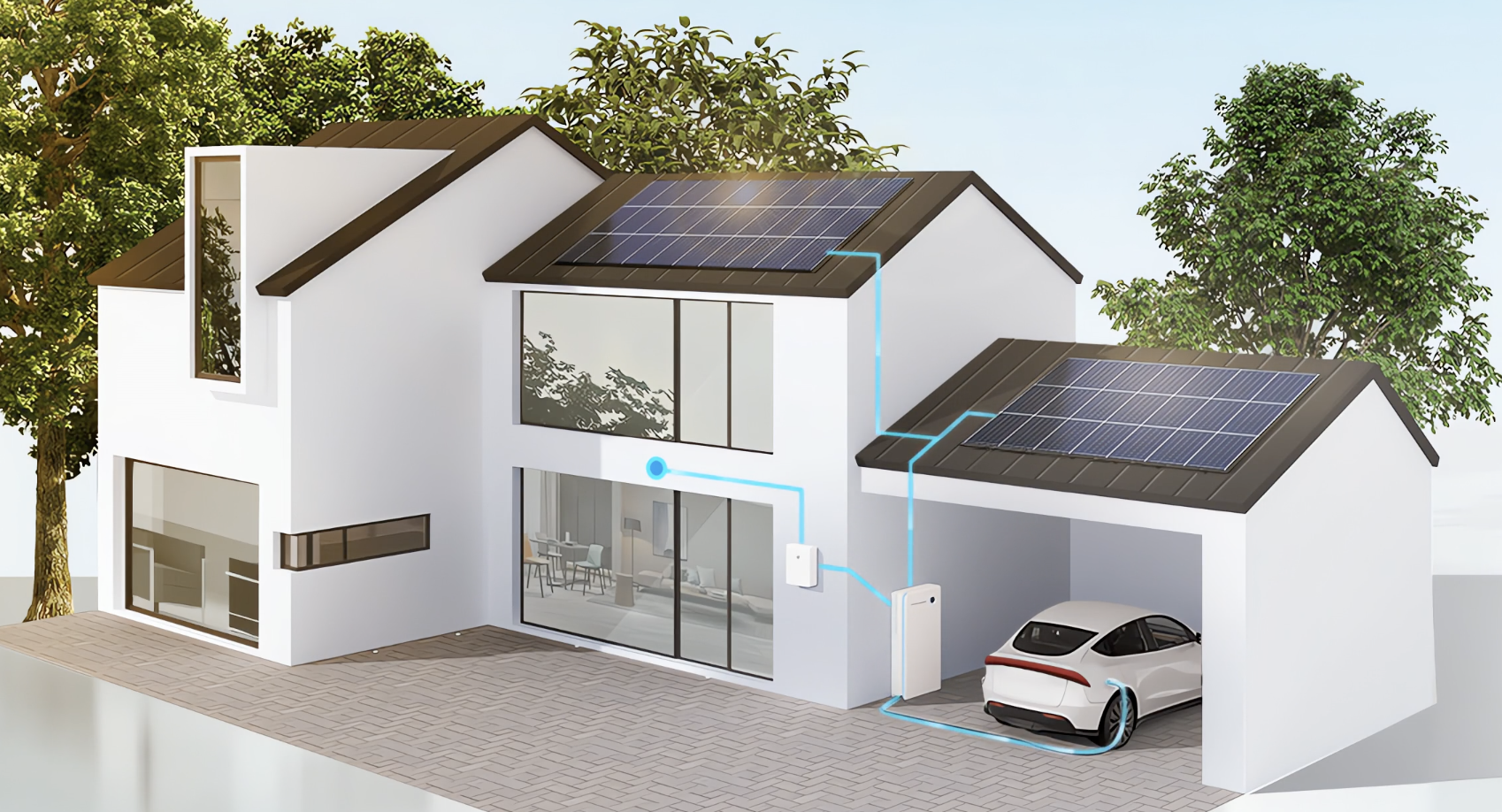
Older houses can be charming until the electrical panel becomes the bottleneck. Add a battery, EV charger, heat pump, or induction range, and suddenly the question is not only energy savings. It is whether the home can manage new loads safely and intelligently.
A home energy monitor cannot replace an electrician, but it can reveal patterns that help with planning.
Load History Helps the Electrical Review
Before adding major equipment, homeowners should understand peak demand, daily baseload, and when large loads overlap. A monitor can show whether the house already hits high loads in the evening or whether there is room to shift some demand.
The National Electrical Code and local permitting rules govern electrical work, so upgrades should be reviewed by qualified professionals. Monitoring does not change that requirement. It simply gives better information before decisions are made.
A whole-home energy upgrade should consider the panel, solar, storage, EV charging, backup needs, and control strategy together.
Older Homes Often Need Priorities
An older home may not support every new electric load running at full power at the same time without upgrades. That does not mean electrification is impossible. It means smart scheduling and load control become more valuable.
For example, the EV may charge after other large loads finish. A battery may support evening demand without increasing grid draw. Smart loads may wait during peak pricing. The monitor should show whether those strategies are working.
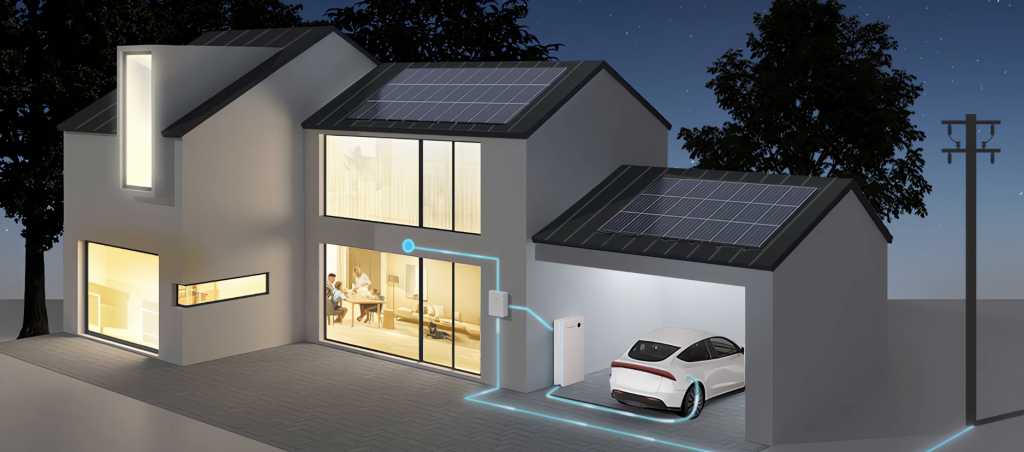
Plan for Comfort and Resilience
Older homes may also have less efficient insulation, older HVAC, or unusual circuits. Backup planning should therefore start with essentials and comfort zones, not assumptions. Refrigeration, lighting, internet, and a selected heating or cooling strategy may matter most.
The U.S. Department of Energy notes that understanding household energy use is a first step in improving performance. For older homes, that understanding can prevent overbuying and underplanning.
The Sigenergy residential energy solution is a useful reference for homeowners who want solar, storage, EV charging, and energy management treated as one upgrade path rather than separate projects.
Monitoring can also reveal whether load control might be a smarter first step than a major panel upgrade. If the home has several large loads that rarely need to run together, scheduling may reduce stress on the system. If the loads already overlap heavily, the electrical review may point toward a more substantial upgrade.
The homeowner should also map comfort expectations honestly. An older house may need more heating or cooling energy than a newer, tighter building. Backup planning should reflect that reality. A monitor can show whether a small comfort zone is realistic or whether the home needs a different resilience strategy.
Another useful step is to monitor before and after each upgrade. The difference can show whether the new device is performing as expected or creating an avoidable peak. That feedback is especially helpful in older homes, where wiring, insulation, and equipment age can all influence real-world performance.
That before-and-after view also helps separate equipment issues from behavior. If a new charger is fine but the schedule is poor, the fix may be settings, not hardware.
Old houses do not need guesswork. They need a clear load picture before the next big device is added.
